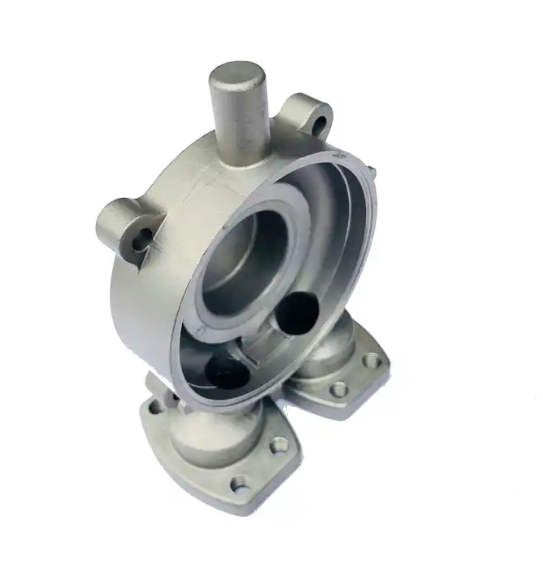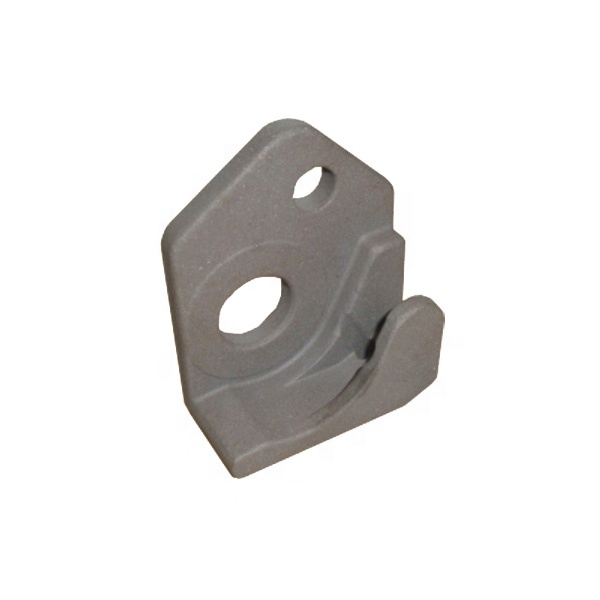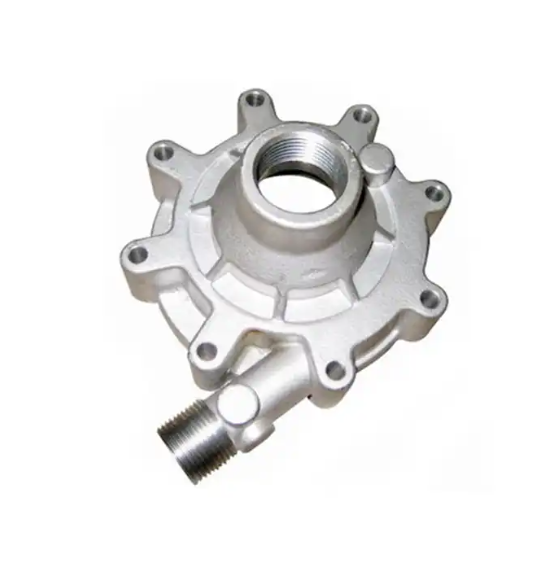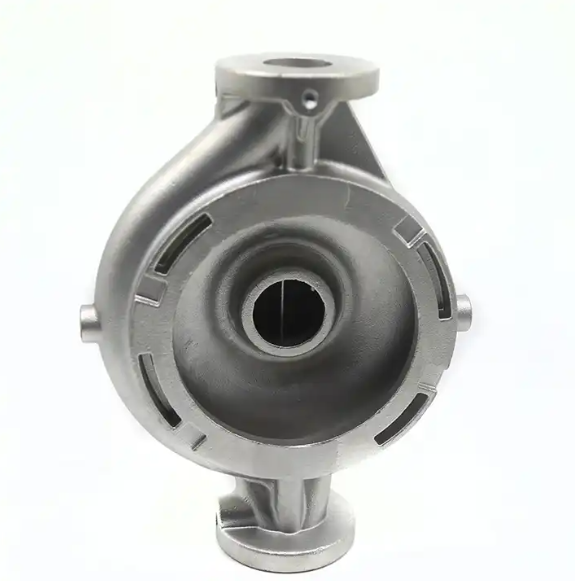
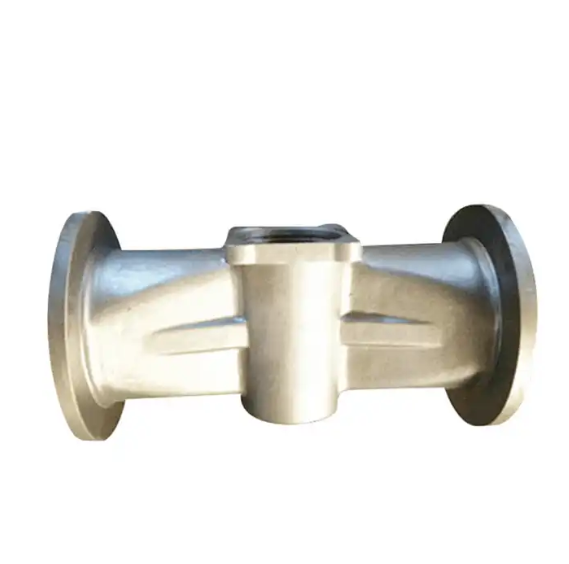
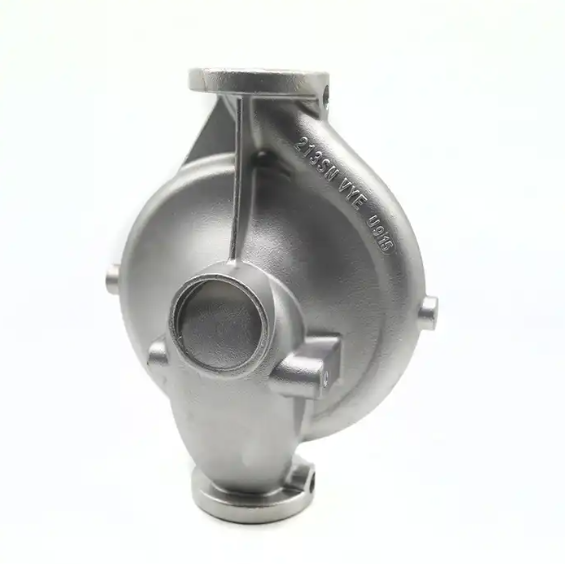
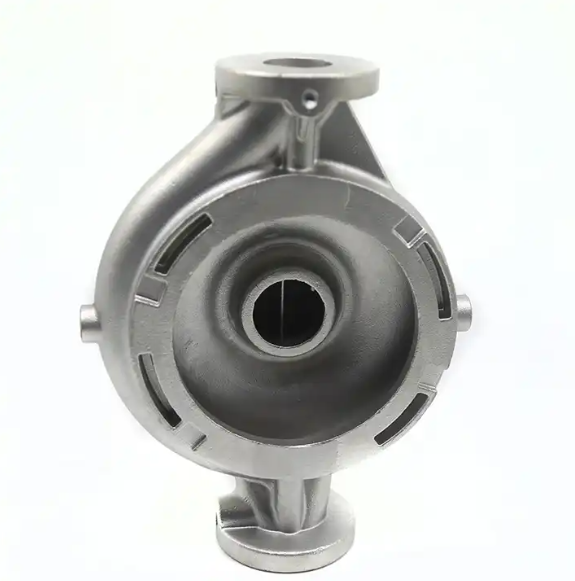
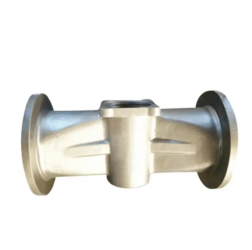
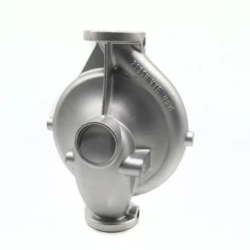
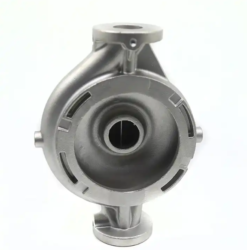


A stainless steel pump housing—also called a pump casing—contains pressure, guides fluid through the volute and provides accurate interfaces for the impeller, seal, shaft, motor and mounting system.
Hengke Casting operates under ISO 9001 and IATF 16949 quality systems and supports applicable BV, DNV and PED documentation requirements for customer projects.
Materials | CF8, CF8M, 304, 316, 316L or duplex steel |
Manufacturing | Silica-sol casting and CNC machining |
Application | CDU, circulation, chemical and water-treatment pumps |
Surface treatment | Passivation to specification |
Process | Silica-sol casting and CNC machining |
Drawing requirements | Surface finish: to agreed specification |
Dimensional tolerance: to approved drawings | |
Envelope dimensions: to approved drawings | |
Quantity and delivery: to quotation | |
Material | CF8, CF8M, 304, 316, 316L or duplex steel |
Alloy selection: subject to coolant compatibility | |
Material verification: to agreed inspection plan | |
Application | CDU, circulation, chemical and water-treatment pumps |
Design | Provide drawings, fluid conditions, connection details and required duty. |
Standards | Material, fabrication and testing standards are agreed in the purchase specification. |
Inspection | Dimensional, material, pressure and leak inspection as specified. |
A stainless steel pump housing—also called a pump casing—contains pressure, guides fluid through the volute and provides accurate interfaces for the impeller, seal, shaft, motor and mounting system.

Investment casting forms curved volutes, ports, ribs and complex internal geometry. CNC machining then controls concentricity, sealing surfaces and assembly interfaces from defined datums.
Wall thickness, machining allowance and defect acceptance criteria are agreed during drawing review. Hydrostatic or pneumatic leak tests can be performed to the specified pressure and hold time.



Explore related stainless steel components for liquid-cooling systems. Materials, interfaces, manufacturing methods and inspection requirements are reviewed against the approved drawings and operating conditions. Contact our team with the coolant, design temperature, pressure, dimensions and annual quantity for a manufacturing review.